
Patagonia, straddling the border of Chile and Argentina, has gained recognition for its extensive hiking opportunities amid stunning geological formations. The region offers a range of hiking experiences, from easy lakeside strolls to challenging multi-day treks, appealing to outdoor enthusiasts with varied skill levels.
The diverse topography includes soaring granite peaks, immense glacial lakes, and vast grasslands. Notable wildlife species such as guanacos and condors inhabit the area, enhancing the natural appeal. Despite increased tourist interest, many regions retain a sense of seclusion, particularly away from the main attractions.
Famous Hiking Routes in Patagonia
Patagonia is home to several prominent hiking trails catering to different experience levels. Key routes include:
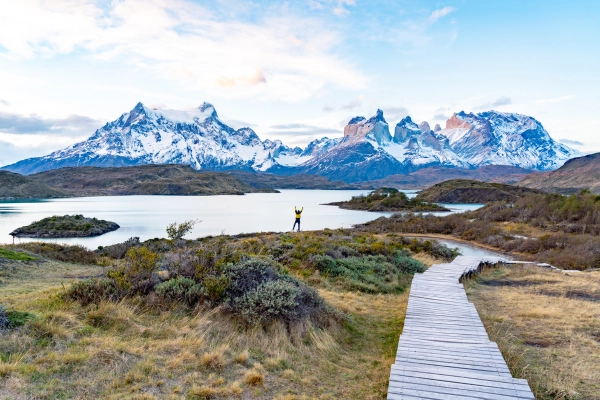
Torres del Paine W Trek
This demanding multi-day trek in Torres del Paine National Park, Chile, features:
- The iconic granite formations of Torres
- Stunning views of Glacier Grey
- Well-maintained resting areas known as refugios
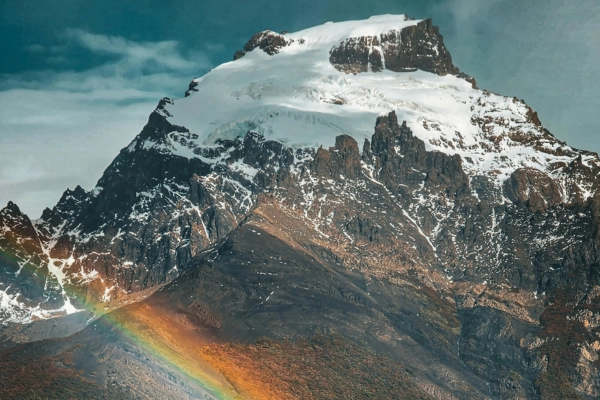
Fitz Roy and Laguna de los Tres
Situated near El Chaltén, Argentina, this hike is suitable for day-trippers and offers:
- A steep ascent that rewards hikers with breathtaking vistas
- Beautiful reflections of mountains in the lake
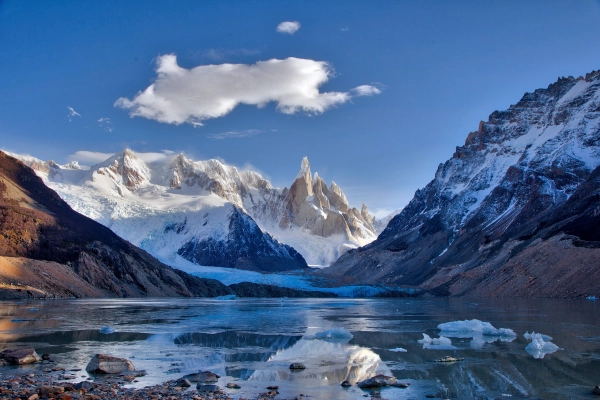
Laguna Torre
This gentler trail presents picturesque landscapes, providing:
- Wide paths accessible to most fitness levels
- Striking views of a glacier-fed lake
Huemul Circuit
Targeted at experienced hikers, this circuit includes:
- Multiple river crossings
- Secluded landscapes
- Less trafficked paths
Weather Challenges and Preparation
Patagonia is notable for its unpredictable weather, often experiencing strong winds and sudden rain. Hikers are advised to prepare thoroughly:
- Pack layered clothing for temperature variability
- Include wind-resistant gear
- Start hikes early in the morning
- Follow park advisories for safety
Even in summer, snow can be found at higher elevations, underscoring the necessity for proper preparation and a respect for local conditions.
Responsible Hiking Practices
To protect Patagonia's sensitive ecosystems, hikers should adhere to sustainable practices:
- Stay on marked trails
- Camp only in designated areas
- Carry out all waste
- Respect wildlife and maintain safe distances
Guided tours can enhance the hiking experience by providing logistical support, transportation, and lodging. These local guides offer valuable insights into the region's ecology and effectively manage trail schedules. Chile-based options are particularly recommended for those looking to explore without the hassle of planning each detail.
The primary hiking season extends from November to March, coinciding with summer's extended daylight hours. Advanced planning is critical for securing accommodations along popular routes, and adherence to national park regulations is essential for preserving the area’s pristine environment. Hiking in Patagonia fosters a deep connection with one of the world’s last great wilderness areas, ensuring memorable outdoor experiences.